

The First NeoLab focused on Spiking Poly-Neuromorphic Engines
Applying de novo technology to solve hard problems in the age of Super Intelligence
Tiresias Development Corporation is a US technology NeoLab. We are building the Genesis Brain, a Spiking Poly-Neuromorphic Engine (SPNE).
- Working MVPready for integration
- 2027space demo planned
The technology
What is the Genesis Brain?
The Genesis Brain is defined as a Spiking Poly-Neuromorphic Engine (SPNE): a processing engine built on a biophysics framework, applicable to a wide array of use cases. It is hardware and software together, a spiking neuromorphic engine implemented on a field-programmable gate array (FPGA) (opens in a new tab).
-
Neuromorphic
The brain construct physics of computation. The SPNE computes in a brain-like way, with information moving as brief pulses.
-
Polymorphic
The adaptive engine within the system. The SPNE learns and changes its own architecture in near real time.
-
Built on an FPGA
The engine runs on a chip whose circuits can be reconfigured after it is built, so the system can reconfigure itself.
-
Hyper-accelerated
The Spiking Poly-Neuromorphic Engine hyper-accelerates computational matrices, on hardware and software built together.
Background reading: neuromorphic computing (opens in a new tab) and spiking neural networks (opens in a new tab).

Space-based demo
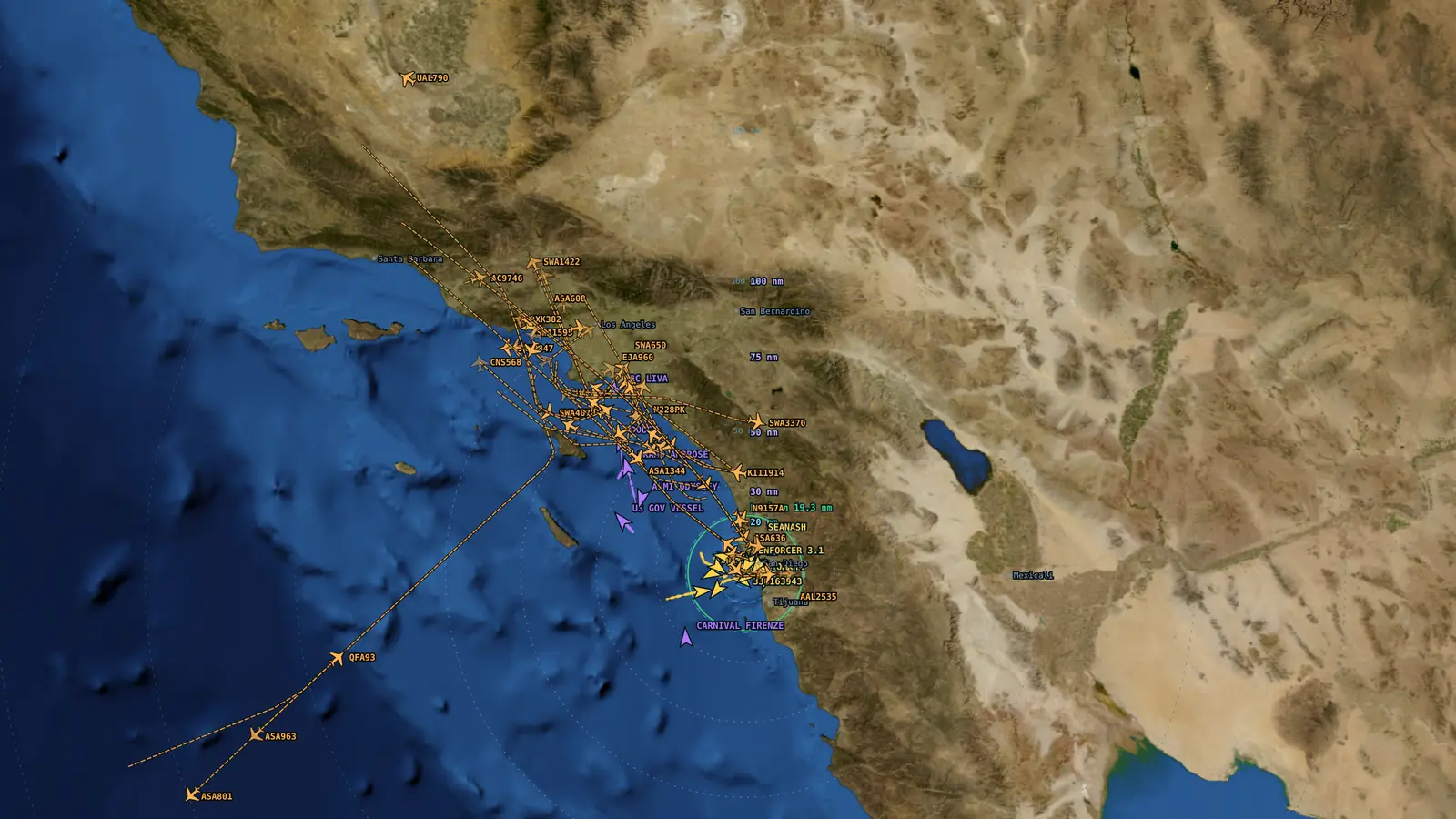
Tracking aircraft from orbit
Our first use case is a space-based demonstration, planned for 2027. The Genesis Brain will collect commercial aviation transmissions from space. Commercial aircraft broadcast their identity and position by radio, as the FAA explains for ADS-B (opens in a new tab).
- Collect commercial aviation transmissions from orbit.
- Map each aircraft's location and identification.
- Transmit that location and identification data.
- Track the airframe in real time.
We are in initial discussions with a B2B partner for the demonstration.
Roadmap
What happens next, and when?
Four milestones, from a working MVP to a demonstration in orbit and then growth.
-
2026
MVP deployment
MVP deployment, ready for customer integration.
-
2027
Integration and test
System integration and testing.
-
2027
Space-based demo
Planned: collecting and tracking commercial aviation transmissions from orbit.
-
2027
Growth
Scaling operations and expanding use cases beyond the first aviation demonstration.
Work with us
Ways to work with Tiresias
-
Investor relations
Talk with us about the company, the technology and the road to the 2027 demonstration.
Contact investor relations -
Partners
Bring the Genesis Brain into commercial or government systems. The MVP is ready.
Discuss a partnership -
Technical briefings
Ask us about the engine and the planned 2027 demonstration, in a private technical briefing.
Request a technical briefing
FAQ
Questions people ask about Tiresias
What does Tiresias Development Corporation do?
Tiresias is a US technology NeoLab, a Delaware corporation headquartered in Kingsport, Tennessee. Our mission is applying de novo technology to solve hard problems in the age of Super Intelligence. We are developing the Genesis Brain, a Spiking Poly-Neuromorphic Engine (SPNE).
What is a NeoLab?
NeoLab is our informal name for a new kind of AI company, one built around a research project rather than a finished product. Tiresias is a NeoLab focused on Spiking Poly-Neuromorphic Engines.
What is the Genesis Brain?
The Genesis Brain is our name for the Spiking Poly-Neuromorphic Engine (SPNE). It contains a biophysics framework applicable to a wide array of use cases. It computes in a brain-like way and changes its own architecture in near real time.
Is the Genesis Brain hardware or software?
Both. The Genesis Brain is a spiking neuromorphic engine implemented on a field-programmable gate array (FPGA), a chip whose circuits can be reconfigured after it is built. The system learns and can dynamically reconfigure itself.
Who is the Genesis Brain for?
Commercial and government organizations with hard computing problems. Our first use case is commercial aviation, and we welcome briefings with both commercial and government teams.
What does neuromorphic mean?
Neuromorphic computing is defined as computing modeled on the structure of biological brains, often using spiking neurons that pass information as brief pulses. In our engine, neuromorphic describes the brain-like physics of computation, and polymorphic describes the adaptive engine that reshapes itself.
What is the first application?
Our first demonstration is planned for 2027. It focuses on collecting commercial aviation transmissions from space: collecting, mapping and transmitting aircraft location and identification, then tracking each airframe in real time.
Is the technology available today?
We have a working MVP ready for customer integration and deployment, and MVP deployment is on our roadmap for 2026. Partners and customers can request a briefing to discuss integration.
Who are you working with?
We are in initial discussions with a B2B partner for the space-based demonstration. We will share the partner's name when we are able to.
How do I get technical details?
Detailed technical information is shared in private briefings. Use the form on this page to request one, or email [email protected].
Contact
Request a briefing
Tell us who you are and what you are working on. Investor, partnership and technical briefing questions all start here.
Prefer email? Write to [email protected]